Getting ready for a dental visit can make people feel nervous. Many patients find that meeting with a dentist in Red Deer helps them understand how medicine can make a checkup feel much more relaxing. Dental sedation is a helpful tool that calms the mind and body during a cleaning or a more complex repair.
Nervousness is widespread, and dental teams are trained to help everyone feel safe. Using sedation allows the body to stay still and relaxed while the professional works. Knowing about the different sedation choices for dental procedures can help a family choose the right level of comfort for their next appointment.
Who Benefits from Dental Sedation?
While some people sit in the chair with no worries, others may need a little extra help to stay calm. A dentist might suggest sedation for several reasons beyond just being scared.
- High Sensitivity: Some people have very sensitive teeth or a strong gag reflex, making it hard to keep the mouth open.
- Long Appointments: If a patient needs several repairs at once, sedation helps the time pass much faster.
- Difficulty Staying Still: Younger children or people with certain health conditions may find it hard to sit quietly for a long time.
- Past Experiences: A person who had a scary visit in the past might use medicine to feel brave during future care.
Types Of Dental Sedation Explained
There are several levels of medicine used to help patients feel comfortable. Every person has different needs, so the dental team will choose the method that perfectly suits the specific situation.
Nitrous Oxide
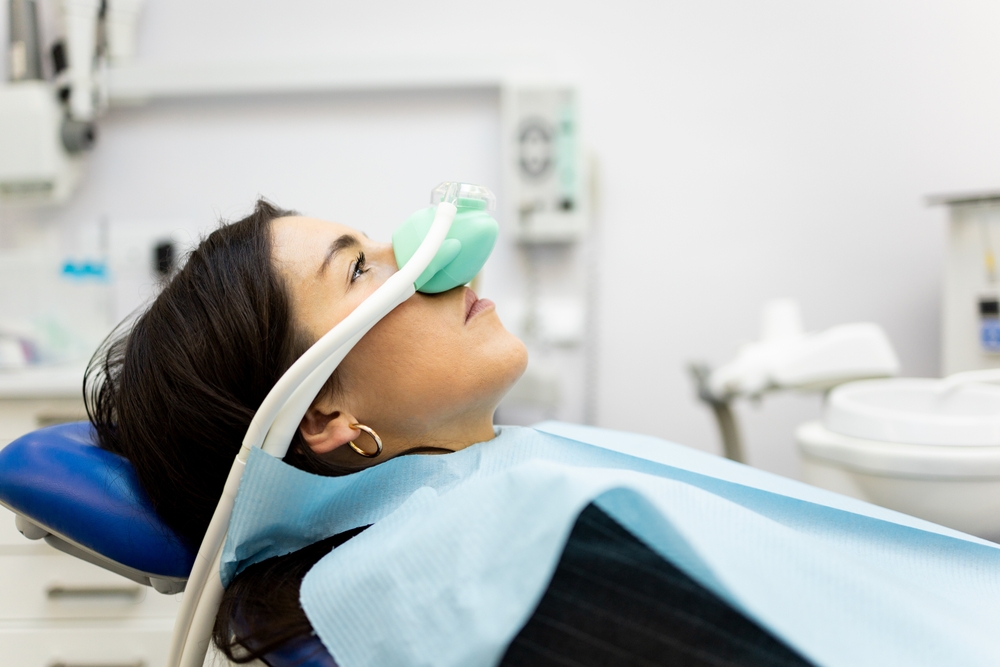
Commonly called laughing gas, nitrous oxide is a very gentle way to relax. The patient breathes the gas through a small mask that sits over the nose. A significant benefit of this method is how quickly the effects wear off once the mask is removed.
Oral Sedation
This method involves taking a small pill before the appointment starts. Depending on the dose, the patient might feel very sleepy or just very calm. Using soft vs moderate dental sedation depends on how much help a person needs to stay relaxed during the procedure.
IV Sedation
In some cases, a dentist might use medicine that goes straight into the bloodstream. Using medicine in the vein allows for a deeper level of relaxation, during which the patient may not even remember the procedure. Such a method is a frequent choice for dental sedation for pain control during surgeries like removing wisdom teeth.
Mild Vs Moderate Dental Sedation
Choosing the appropriate level of care depends on the goal of the visit. Mild sedation usually leaves the patient feeling a bit tingly or heavy but fully awake and able to answer questions. Moderate sedation makes a person much sleepier, and they might even drift off into a light nap during the cleaning.
The patient’s safety is always the dentist’s top priority. The team monitors heart rate and breathing continuously to ensure everything is going perfectly. Most people wake up feeling like they just had a long, refreshing rest.
How Sedation Helps with Discomfort
Beyond just calming nerves, dental sedation for pain management helps the brain focus on the procedure rather than the pressure or sounds of the tools. Even though numbing medicine is still used, the sedation helps the rest of the body stay limp and peaceful.
When a patient is relaxed, the jaw muscles do not get as tired or sore. Staying calm and loose makes the healing process after the visit feel much easier and faster. A dentist near you will always explain exactly how the medicine works, so there are no surprises on the day of the appointment.
Preparing for Your Sedation Visit
If you choose one of the deeper sedation options for dental procedures, you will need extra planning. For anything stronger than laughing gas, a friend or family member must drive the patient home after the work is done.
It is also essential to share a complete list of any other medicines you take with the dental team. This information ensures that the sedation medicine works safely and effectively with your body. Following the instructions about when to eat or drink before the visit helps the medicine work its magic without any issues.
Your Path to a Stress-Free Smile
Taking care of your teeth should not be a scary or painful experience. With the many kinds of dental sedation explained today, it is easier than ever to get the care you need without the stress. Our team is dedicated to making every patient feel safe and supported. By choosing the right level of relaxation, you can keep your smile healthy and bright for many years to come.
Book your appointment today at Delta Dental.
Frequently Asked Questions
- What conditions require dental sedation?
Sedation is usually used for patients with high anxiety, a sensitive gag reflex, or those undergoing long surgeries. It is also helpful for children who have difficulty sitting still during a dental exam. - Is dental sedation painful?
The medicine itself is designed to prevent discomfort and help the body relax. Whether you breathe a gas or take a pill, the goal is to make the entire experience feel peaceful and worry-free. - How long does recovery take after dental sedation?
Laughing gas wears off in just a few minutes, allowing most people to drive themselves home. Pills or IV medicine can cause sleepiness for several hours, so resting at home for the remainder of the day is a brilliant idea. - Do I need a special checkup before using sedation?
A dentist will review your medical history to ensure sedation is a safe option for you. They check your breathing and heart health to choose the best type of medicine for your needs.